Source vitamin dried strawberry for baking, snacks, and beverages
Compare 30 listings for vitamin dried strawberry from Chinese suppliers. Options include freeze-dried whole strawberries and fruit extracts with varying sugar levels, packaging sizes, and shelf lives to suit your food production needs; compare the available evidence and request quotations based on your requirements.
Key considerations
Products List




Comprehensive Sourcing Guide
Vitamin Dried Strawberry Sourcing Guide
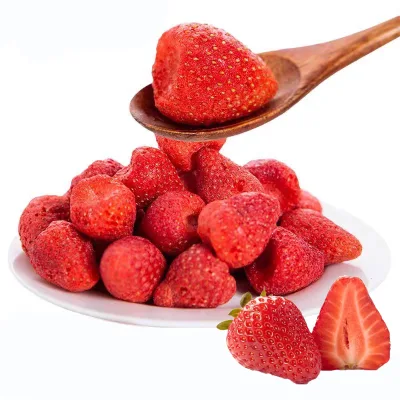
Buyers must first distinguish between freeze-dried whole strawberries and other dried fruit forms, as the supply chain offers distinct processing methods like FD or syrup preservation. The observed listings indicate a wide variance in product models, ranging from "Perfect Quality" generic labels to specific "Freeze Dried Whole Strawberry" items with defined shapes like fruit slices. This distinction is critical because the extraction type and drying process directly influence the final nutrient retention and texture, which are primary decision factors for food manufacturers seeking specific functional ingredients.
Procurement teams should also scrutinize the origin and cultivation methods, as the data shows products sourced from regions like Shandong and Shaanxi in China with both artificial planting and standard agricultural practices. The presence of varying storage requirements, including room temperature, shade, and low-temperature conditions, suggests that logistics planning must align with the specific preservation process selected. Understanding these baseline attributes helps buyers filter suppliers who can meet the specific physical and chemical stability needs of their final food applications.
Product Scope and Observed Listing Signals
The market presents a diverse range of packaging formats, from 10kg bags and 5kg aluminum foil bags to bulk drums and bottles, which dictates internal handling and secondary packaging strategies. Buyers should note that some listings specify complex carton configurations like 3.125 kg multiplied by four bags, while others offer simpler single-bag units. This variability in packing standards requires a clear definition of the required unit weight and material compatibility to ensure the product remains protected during transit and storage without compromising the integrity of the freeze-dried structure.
Nutrient composition and sugar content are equally variable, with some products highlighting Vitamin and Protein content while others specify low sugar or added sugar formulations. The observed moisture levels between 15% and 22% are critical for shelf-life stability, yet the listed shelf life ranges from 12 to 24 months depending on the specific product model and storage conditions. Buyers must verify which nutrient profile aligns with their formulation goals, as the presence of amino acids or specific vitamin concentrations will significantly impact the nutritional labeling and marketing claims of the end consumer product.
Technical Specifications to Verify
Verification of the drying process is essential, as the supply chain includes both freeze-dried (FD) and other drying methods that yield different textural and rehydration properties. The "Freeze Dried Whole Strawberry" model explicitly mentions a specific shape and form, whereas other entries may list generic shapes like indehiscent fruits or unspecified slices. Buyers must confirm the exact extraction type and drying mechanism to ensure the product meets the functional requirements of their recipe, particularly regarding texture retention and the ability to rehydrate without becoming mushy or losing flavor intensity.
Grain size and physical specifications are another critical verification point, with some listings offering standardized grain counts like 160, 180, or 200 grains, while others focus on whole fruit forms. The specification of "Food Grade" material and specific active ingredient concentrations, such as 99% purity for extracts, must be cross-referenced against the intended application. Procurement teams should request detailed physical data sheets that confirm the moisture content and particle size distribution to prevent inconsistencies in the final food product's quality and processing performance.
Compliance and Safety Documentation
Certification status varies significantly across the market, with some suppliers offering ISO, Halal, and Organic certifications while others may only provide basic food-grade compliance. Buyers must explicitly request current certificates for the specific batch or production line, as the presence of one certification does not guarantee the status of another. The distinction between "Fruit" standard and "Sugar Added" standard also requires careful documentation review to ensure the product meets the regulatory and labeling requirements of the target export market.
Safety documentation must also address the specific preservation processes used, such as syrup preservation or standard drying, which can introduce different allergen or additive risks. The listed "Service" options like OEM and ODM imply that the supplier may modify formulations, necessitating a review of the ingredient list and processing aids used in custom batches. Buyers should ensure that all safety data sheets and certificates of analysis are provided for every shipment to verify that the product remains free from contaminants and adheres to the declared nutrient composition and active ingredient levels.
Cost Drivers and Commercial Terms
Minimum Order Quantities (MOQ) are a primary cost driver, with observed ranges spanning from 10kg to 1000kg, significantly impacting the feasibility for small-batch or trial orders. The data shows specific MOQs of 200kg, 500kg, and 10kg, meaning buyers must align their initial procurement volume with supplier thresholds to avoid prohibitive per-unit costs or order rejection. Understanding these thresholds is vital for budgeting, as the price per kilogram often fluctuates based on the volume commitment and the complexity of the requested packaging configuration.
Pricing structures are further influenced by the customization level and the specific product model selected, such as "Perfect Quality" versus generic dried fruit. The observed price range of 1 to 7000 USD suggests a wide disparity based on factors like brand name, certification status, and the specific form of the strawberry. Buyers should negotiate based on the total landed cost, including the impact of specialized packaging like aluminum foil bags or drums, which may incur higher logistics expenses compared to standard bulk bags.
Supplier Qualification and Quality Control
Supplier qualification should prioritize those offering OEM and ODM services, as this indicates a capacity for customization and flexibility in meeting specific buyer requirements. The presence of a brand name like "HAOZE" suggests established market players, but buyers must verify the actual production capabilities and quality control systems rather than relying solely on brand recognition. It is essential to confirm that the supplier can consistently maintain the specified drying process and nutrient composition across different production runs to ensure product consistency.
Quality control protocols must be rigorously defined, particularly regarding the storage conditions and shelf life management. Since the data lists multiple storage requirements including cool dry places, shade, and low temperatures, the supplier's logistics chain must be capable of maintaining these conditions from the factory to the destination. Buyers should audit the supplier's storage facilities and handling procedures to ensure that the product does not degrade before arrival, especially given the sensitivity of freeze-dried fruits to moisture and temperature fluctuations.
Long-Term Procurement Checks
Long-term procurement strategies must account for the seasonal availability and cultivation methods, as the data indicates "All Seasons" availability but also mentions artificial planting. Buyers should verify the consistency of the raw material supply to ensure that the quality of the strawberries remains stable throughout the year, regardless of natural harvest cycles. This is particularly important for maintaining consistent flavor profiles and nutrient levels in the final food products, which rely on the uniformity of the raw fruit input.
Continuous monitoring of shelf life and storage performance is necessary to prevent quality degradation over extended supply contracts. With observed shelf lives of 12 or 24 months, buyers must establish clear protocols for inventory rotation and storage environment monitoring to maximize product viability. Regular quality audits and re-testing of samples should be scheduled to ensure that the product continues to meet the specified moisture, nutrient, and physical standards throughout the duration of the procurement agreement.
FAQs
How should vitamin dried strawberry be stored after opening?
Store vitamin dried strawberry in a cool, dry place away from direct sunlight to protect color, sweetness, and nutrient content. Sealed original packaging, such as aluminum foil bags or cartons, helps limit moisture absorption. Some listings specify room-temperature or low-temperature storage, so follow the supplier's stated conditions and reseal packs tightly after each use.
What shelf life can buyers expect for vitamin dried strawberry?
Shelf life commonly ranges from 12 to 24 months depending on the drying process and packaging format. Freeze-dried products packed in aluminum foil bags or drums generally support the longer end of that range when stored as recommended. Always confirm the exact production date and expiry terms with the supplier before placing an order.
Which packaging options are typically offered for bulk vitamin dried strawberry?
Common bulk packing includes 10kg bags per carton, 5kg bags, 3.125kg by 4 bags per carton, and 1kg by 10 bags per carton. Freeze-dried whole strawberries may also ship in drums or bottles. Packaging can often be customized, so discuss carton sizes, liner materials, and private-label needs with suppliers before ordering.
Can vitamin dried strawberry be supplied with certifications for food processing?
Yes, some listings show certifications such as ISO, Halal, and Organic for freeze-dried fruit products. Certification availability varies by supplier and product line, so request copies of current certificates matching the specific batch or product model. Food-grade classification and artificial planting cultivation are also indicated in typical product specifications.
What is the difference between FD and AD drying processes for strawberries?
FD stands for freeze drying, which removes moisture at low temperatures and preserves shape, color, and nutrients, producing whole or sliced freeze-dried strawberries. AD refers to air drying, a more traditional method often used with syrup preservation and sugar-added fruit. Choose FD for premium snack or ingredient use and AD for cost-sensitive confectionery applications.
How much sugar is in vitamin dried strawberry products?
Sugar content depends on the process. Freeze-dried strawberries usually contain only the fruit's natural sugars, while syrup-preserved or sugar-added air-dried versions contain added sweeteners. Some listings specifically note low-sugar options. Review the drying process, preservation method, and specification details on each listing to match your dietary or formulation requirements.
What minimum order quantities apply to vitamin dried strawberry sourcing?
Observed MOQs on listings range from 10kg up to 500kg, with some suppliers stating 200kg. MOQ often depends on the drying process, grade, and customization level requested. If you need smaller trial quantities, negotiate a sample order first, then scale to full production volumes once quality is confirmed.
Can vitamin dried strawberry be customized for private-label brands?
Yes, customization is listed as available, and several suppliers offer OEM and ODM services. This can cover packaging format, carton configuration, labeling, and product form such as freeze-dried whole strawberries or fruit slices. Confirm customization scope, artwork requirements, and any effect on MOQ and lead time directly with the supplier.